
 Reviews
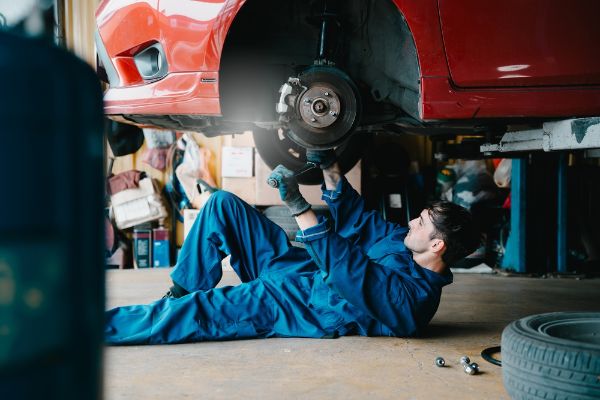
Your vehicle's braking system is one of its most important safety systems. Every time you slow down, stop at an intersection, navigate traffic, or make an emergency stop, you depend on your brakes to respond properly. Because brakes experience friction and wear every time you drive, knowing when to schedule brake repair can help protect you, your passengers, and everyone else on the road.
Brake problems do not always begin with an obvious failure. In many cases, the earliest warning signs may be subtle: a slight squeak, a different pedal feel, a vibration when stopping, or a vehicle that seems to take a little longer to slow down. These symptoms can be easy to dismiss, especially when your vehicle still appears to stop normally.
However, a brake system that is beginning to show symptoms should not be ignored. Addressing a problem while it is still minor may help prevent additional component damage and more extensive repairs.
How Does a Vehicle's Brake System Work?
Most modern vehicles use a hydraulic braking system that converts the force you apply to the brake pedal into stopping force at the wheels. Although the exact design varies between vehicles, several major components work together to slow and stop your vehicle.
When you press the brake pedal, the pedal activates the brake system's hydraulic or electronically controlled components. In a conventional hydraulic system, the master cylinder pressurizes brake fluid and sends that pressure through brake lines to the brakes at each wheel.
At the wheels, that pressure causes the braking components to apply friction to rotating parts. With disc brakes, a caliper presses brake pads against a rotating brake rotor. The friction between the pads and rotor slows the rotation of the wheel, ultimately slowing the vehicle.
Some vehicles use drum brakes at the rear. With drum brakes, brake shoes press outward against the inside surface of a rotating drum to create friction and slow the wheel.
Modern vehicles may also incorporate technologies such as anti-lock braking systems (ABS), electronic brake-force distribution, brake assist, electronic stability control, and other electronically controlled systems. These technologies can help manage braking performance under different driving conditions, but they do not eliminate the need for regular brake inspections and maintenance.
What Are the Main Components of a Brake System?
A vehicle's braking system contains numerous components, and each plays an important role in safe braking.
Brake Pads
Brake pads are friction components used with disc brakes. When you apply the brakes, the pads are pressed against the brake rotors. This creates the friction necessary to slow the vehicle.
Because the pads wear down through normal use, they are considered a maintenance item. Driving habits, traffic conditions, vehicle weight, terrain, and other factors can all affect how quickly brake pads wear.
Worn brake pads can eventually reduce braking performance and may damage the rotors if the friction material becomes excessively thin.
Brake Rotors
Brake rotors are metal discs attached to the wheel assembly that rotate with the wheels. The brake pads clamp onto the rotors when you press the brake pedal.
Because rotors are exposed to repeated friction and heat, they can develop wear, scoring, uneven surfaces, cracks, or other problems. A damaged or excessively worn rotor can contribute to vibration, noise, or inconsistent braking.
Brake Calipers
Brake calipers house and operate the brake pads on many disc-brake systems. When hydraulic pressure reaches the caliper, pistons move the pads against the rotor.
A caliper that is sticking, leaking, or otherwise malfunctioning can cause uneven brake wear and may prevent the brake from releasing properly.
Brake Fluid
Brake fluid transfers hydraulic pressure from the master cylinder to the braking components. Proper fluid condition and level are essential to hydraulic brake operation.
A low fluid level can indicate a leak or significant brake wear, depending on the vehicle and system. Brake fluid can also absorb moisture over time, which is why some vehicles have manufacturer-specific recommendations for brake fluid service.
Always use the correct brake fluid specified for the vehicle. Using an incorrect fluid can damage hydraulic brake components and compromise braking performance.
Master Cylinder
The master cylinder converts brake-pedal input into hydraulic pressure in conventional hydraulic braking systems. It distributes that pressure through the brake system to activate the brakes.
Problems with the master cylinder can cause changes in pedal feel and braking performance and require professional diagnosis.
Brake Lines and Hoses
Brake lines and flexible hoses carry brake fluid throughout the system. Leaks, corrosion, physical damage, or deteriorated hoses can interfere with hydraulic pressure and braking performance.
Because brake fluid leaks can affect the ability of the braking system to generate proper pressure, suspected leaks should be addressed promptly.
ABS Components
The anti-lock braking system helps prevent the wheels from locking during certain hard-braking situations. ABS relies on wheel-speed sensors, electronic controls, hydraulic components, and other parts to monitor and manage braking.
An ABS warning light should not be ignored. A warning may indicate a problem within the ABS or another related system that requires diagnosis.
10 Signs You May Need Brake Repair
Your brakes can provide several warning signs when something is wrong. Some symptoms may indicate normal wear, while others can point to more serious problems.
1. Squealing or High-Pitched Brake Noise
A high-pitched squeal can occur when brake pads are approaching the end of their usable friction material. Some brake pads include wear indicators designed to produce an audible warning as the pads wear.
However, not every brake noise means the pads are worn out. Environmental conditions, moisture, brake dust, and other factors can sometimes produce temporary noises.
The important point is to pay attention to a new, persistent, or changing noise rather than assuming it is harmless. Brake wear indicators are specifically intended to alert drivers that brake service may be needed.
2. Grinding When You Brake
Grinding is a much more serious warning sign.
If you hear metal-on-metal grinding when applying the brakes, the brake pads may be severely worn or another component may be damaged. Continuing to drive without having the system inspected can allow additional components, including rotors, to become damaged.
A grinding noise is a reason to have the vehicle inspected as soon as possible.
3. A Soft or Spongy Brake Pedal
A brake pedal that feels softer than normal, travels farther toward the floor, or feels spongy can indicate a problem with the hydraulic braking system.
Potential causes can include air or moisture in the brake system, a hydraulic leak, or another brake-system issue.
Because pedal feel is directly related to your ability to control the vehicle, an unexpected change should never be ignored.
4. A Hard Brake Pedal
A brake pedal that suddenly becomes unusually difficult to press can also indicate a problem.
Possible causes can involve the brake booster, vacuum supply, hydraulic components, or other parts of the braking system. A hard pedal should be professionally diagnosed rather than assuming the brakes are simply "stiff."
5. Increased Stopping Distance
If your vehicle seems to require more distance to stop than it normally does, something may be affecting braking performance.
Worn friction material, contaminated components, brake-fluid problems, tire issues, or other mechanical and electronic problems can contribute to changes in stopping performance.
Do not wait until the vehicle struggles to stop before scheduling brake repair.
6. Vibration or Pulsation While Braking
If the steering wheel, brake pedal, or vehicle vibrates or pulses when you apply the brakes, the braking system should be inspected.
Uneven rotor surfaces, brake component problems, suspension issues, or other conditions can contribute to vibration during braking. A professional inspection can determine the actual cause.
7. Pulling to One Side
Does your vehicle pull left or right when you apply the brakes?
Uneven brake operation can cause pulling, but other problems involving tires, suspension, steering, or wheel alignment can produce similar symptoms.
Because pulling can affect vehicle control, it is important to have the cause properly diagnosed rather than assuming the issue is limited to one brake component.
8. A Brake Warning Light
A brake warning light on the dashboard should never be dismissed.
Depending on the vehicle, a brake-related warning light can indicate conditions such as a parking brake being engaged, low brake fluid, a hydraulic problem, or another significant brake-system fault. NHTSA standards address brake telltales for conditions including certain hydraulic pressure or fluid-level problems and other brake-system faults.
If a warning light remains illuminated, consult your owner's manual and have the vehicle inspected promptly.
9. Burning Smell After Braking
A strong burning smell after braking can indicate excessive heat or another brake-related problem.
Overheated brakes can occur under demanding driving conditions, but a persistent burning odor during normal driving should be investigated. A sticking caliper, brake component that is not releasing properly, or another issue can cause excessive heat.
10. Your Vehicle Feels Different When Stopping
Sometimes the warning sign is simply that something feels different.
You may notice that the brake pedal requires more pressure, the vehicle doesn't stop as smoothly, or braking feels less predictable. Even if the difference seems minor, changes in how your vehicle responds to the brake pedal deserve attention.
You know how your vehicle normally feels. A change is worth investigating.
Why You Shouldn't Ignore Minor Brake Problems
One of the biggest mistakes drivers make is waiting until a brake problem becomes severe.
A slight squeak may seem unimportant. A small vibration may seem manageable. A brake pedal that feels slightly different may not seem urgent if the vehicle still stops.
But brake components work together. A problem with one component can place additional stress on other parts of the system or allow a relatively simple repair to become more extensive.
For example, worn brake pads that are not replaced can eventually allow the underlying metal components to contact the rotor. What could have been a routine pad replacement may then involve additional rotor repair or replacement.
That is why early brake repair is about more than eliminating an annoying noise. It is about identifying and addressing developing problems before they compromise braking performance or lead to additional damage.
NHTSA guidance specifically warns that continuing to drive with worn brake pads can result in more costly brake repairs.
Brake Repair Is About More Than Replacing Brake Pads
When you bring a vehicle in for brake repair, the solution is not always simply installing new brake pads.
A proper brake inspection can evaluate the condition of the entire braking system, including:
- Brake pad or shoe thickness
- Brake rotor or drum condition
- Caliper operation
- Brake fluid condition and level
- Brake lines and hoses
- Master cylinder operation
- Brake hardware
- ABS components and warning lights
- Signs of uneven wear
- Fluid leaks
- Abnormal heat or discoloration
- Brake pedal operation
- Overall braking performance
Looking at the complete system helps identify the actual source of a problem rather than treating only the most obvious symptom.
How Regular Brake Inspections Can Help
You do not necessarily need to wait for a warning sign before having your brakes inspected.
Brake inspections at Street Scene can be incorporated into routine vehicle maintenance and service visits. Regular inspections allow our technicians to monitor brake wear and identify developing problems.
The appropriate inspection and maintenance interval varies depending on the vehicle, manufacturer recommendations, driving conditions, mileage, and how the vehicle is used.
Drivers who frequently encounter stop-and-go traffic, steep hills, heavy loads, or other demanding conditions may experience different brake wear than someone who primarily drives on open highways.
Don't Wait for a Brake Failure
Brakes are not a system you want to test until they fail.
Your vehicle's braking system is designed to give you control when you need to slow down or stop. When something begins to feel, sound, or behave differently, that change is worth taking seriously.
Whether you are hearing a new squeak, feeling vibration through the brake pedal, noticing a warning light, experiencing a soft or hard pedal, or simply sensing that your vehicle isn't stopping the way it normally does, schedule an inspection rather than waiting for the problem to worsen.
Addressing brake repair needs while symptoms are still minor can help protect other components, reduce the potential for more extensive repairs, and most importantly, help maintain the braking performance you depend on every time you drive.
Keep Your Brakes Working When You Need Them Most
Your brakes are one of the most important safety systems on your vehicle. Understanding how they work and recognizing early warning signs can help you make informed decisions about maintenance and repairs.
Don't ignore unusual noises, changes in pedal feel, vibrations, warning lights, pulling, burning odors, or changes in stopping performance. When something doesn't feel right, have your braking system inspected by qualified professionals.
Taking care of brake repair early can help protect your vehicle, your investment, and the people who depend on you to get them safely where they need to go.