
 Reviews
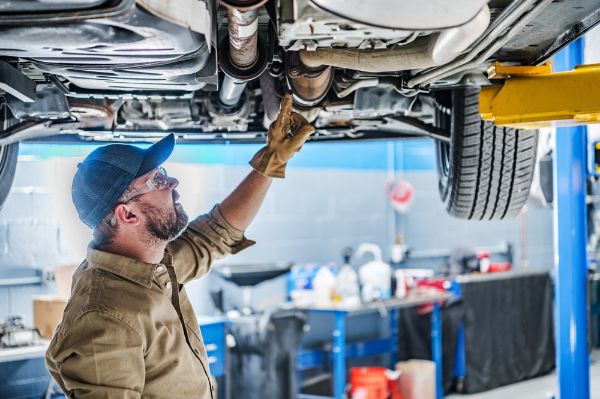
Your vehicle's catalytic converter plays a critical role in reducing harmful emissions while supporting proper engine performance. Although it's designed to last for many years, it isn't immune to wear, contamination, impact damage, or failure. When the catalytic converter begins to fail, your vehicle will often display noticeable warning signs that shouldn't be ignored.
Recognizing these symptoms early and visiting a trusted auto repair shop like Street Scene in Watsonville can help you avoid more expensive repairs, improve engine performance, and prevent additional damage to your vehicle's exhaust and emissions systems.
What Does a Catalytic Converter Do?
The catalytic converter is part of your vehicle's exhaust and emissions system. It converts harmful pollutants produced during combustion, including carbon monoxide, hydrocarbons, and nitrogen oxides, into less harmful gases before they exit through the tailpipe.
Inside the catalytic converter is a ceramic or metallic honeycomb coated with precious metals such as platinum, palladium, and rhodium. These materials trigger chemical reactions that reduce emissions without restricting normal exhaust flow.
Because the catalytic converter works alongside several engine and emissions components, a replacement often includes inspecting the surrounding systems to ensure the new converter performs properly.
Signs You May Need a Catalytic Converter Replacement
Check Engine Light
One of the earliest indicators of catalytic converter problems is an illuminated Check Engine Light.
Modern vehicles continuously monitor emissions performance using oxygen sensors located before and after the catalytic converter. If the sensors detect that the converter is no longer reducing emissions efficiently, the engine control module stores a diagnostic trouble code.
A professional auto repair shop like Street Scene can diagnose the warning light and determine whether the catalytic converter is failing or if another emissions component is responsible.
Reduced Engine Performance
A clogged catalytic converter restricts exhaust flow, making it difficult for the engine to breathe properly.
You may notice:
- Slow acceleration
- Reduced horsepower
- Poor throttle response
- Difficulty maintaining highway speeds
These symptoms often become more noticeable as the converter becomes increasingly restricted.
Poor Fuel Economy
When exhaust flow is restricted, the engine must work harder to produce power. This often results in increased fuel consumption.
If your fuel economy suddenly drops without another obvious explanation, your catalytic converter or another emissions component may need inspection at your our local auto repair shop in Watsonville.
Rotten Egg Smell
A strong sulfur or rotten egg odor coming from your exhaust is one of the most recognizable symptoms of catalytic converter failure.
This smell develops when the converter can no longer properly process sulfur compounds found in fuel.
Persistent odors should always be inspected promptly before additional emissions system damage occurs.
Rattling Noises
Inside every catalytic converter is a ceramic honeycomb structure.
Over time, overheating, physical impacts, or age can cause this material to crack and break apart. When this happens, you may hear rattling noises beneath your vehicle, especially during startup or acceleration.
Loose internal material often indicates the converter requires replacement.
Failed Emissions Test
A failing catalytic converter is one of the most common reasons vehicles fail emissions inspections.
If your vehicle exceeds allowable emissions levels, the converter may no longer be cleaning the exhaust gases effectively.
A qualified auto repair shop like Street Scene can diagnose the underlying issue and determine whether replacement is necessary.
Engine Stalling or Hard Starting
In severe cases, a completely clogged catalytic converter can create excessive exhaust backpressure.
This restriction may cause:
- Hard starting
- Engine stalling
- Rough idle
- Hesitation during acceleration
These symptoms indicate your engine is struggling to expel exhaust gases efficiently.
Components Inspected During a Catalytic Converter Replacement
Replacing the catalytic converter involves more than installing a new exhaust component. Because converter failure is often caused by another problem, our technicians inspect multiple systems before completing the repair.
Oxygen Sensors
Oxygen sensors measure the amount of oxygen in the exhaust stream and provide feedback to the engine computer.
During catalytic converter replacement, our technicians inspect upstream and downstream oxygen sensors for:
- Slow response times
- Internal failures
- Wiring damage
- Contamination
Faulty oxygen sensors can damage a new catalytic converter if left unrepaired.
Exhaust System
Our auto repair shop will inspect the entire exhaust system for:
- Exhaust leaks
- Rust
- Broken hangers
- Damaged pipes
- Loose connections
Leaks can affect sensor readings and reduce overall emissions system efficiency.
Exhaust Manifold
Cracks or leaks in the exhaust manifold can reduce engine efficiency while affecting catalytic converter performance.
Inspecting the manifold helps ensure the replacement converter receives proper exhaust flow.
Spark Plugs and Ignition Components
Engine misfires allow unburned fuel to enter the catalytic converter.
Over time, this excessive fuel can overheat and melt the internal honeycomb structure.
Technicians may inspect:
- Spark plugs
- Ignition coils
- Spark plug wires (where applicable)
Correcting ignition problems helps protect your new catalytic converter.
Fuel System
A rich air-fuel mixture can overload the catalytic converter with excess fuel.
During diagnosis, technicians may inspect:
- Fuel injectors
- Fuel pressure
- Air-fuel ratio
- .Engine management systems
Resolving fuel system issues prevents premature converter failure.
Engine Sensors
Several engine sensors influence combustion efficiency and emissions performance.
These may include:
- Mass Airflow (MAF) sensor
- Manifold Absolute Pressure (MAP) sensor
- Engine Coolant Temperature sensor
- Oxygen sensors
- Air intake sensors
Faulty sensor data can negatively impact converter performance.
Why Catalytic Converters Fail
Several issues can shorten catalytic converter life, including:
- Engine misfires
- Oil consumption
- Coolant leaks into the combustion chamber
- Rich fuel mixtures
- Internal contamination
- Physical road damage
- Age and high mileage
Simply replacing the converter without correcting the root cause often leads to repeated failures.
Our knowledgeable auto repair shop will diagnose the underlying issue before installing a replacement.
Why Prompt Replacement Is Important
Ignoring catalytic converter problems can affect much more than emissions.
Delaying replacement may result in:
- Severe engine performance loss
- Reduced fuel economy
- Engine overheating
- Excessive exhaust backpressure
- Failed emissions inspections
- Damage to oxygen sensors
- More expensive exhaust repairs
In some cases, excessive backpressure can even contribute to internal engine damage.
Addressing the problem early helps protect your vehicle while minimizing repair costs.
Benefits of Replacing a Failing Catalytic Converter
Replacing a damaged catalytic converter can provide several important benefits, including:
- Improved engine performance
- Better acceleration
- Increased fuel efficiency
- Reduced emissions
- Elimination of unpleasant exhaust odors
- Quieter exhaust operation
- Successful emissions testing
- Greater overall vehicle reliability
A properly functioning emissions system also helps your engine operate more efficiently over the long term.
Don't Ignore the Warning Signs
Your vehicle often communicates when the catalytic converter is beginning to fail. Whether you notice a Check Engine Light, sluggish acceleration, poor fuel economy, unusual exhaust odors, or rattling noises, addressing these warning signs quickly can prevent larger and more expensive repairs.
Visiting our trusted auto repair shop in Watsonville at the first sign of catalytic converter trouble allows experienced technicians to diagnose the problem, inspect the surrounding emissions and exhaust systems, and perform the necessary repairs to restore your vehicle's performance. Timely catalytic converter replacement helps protect your engine, improve fuel efficiency, reduce harmful emissions, and keep your vehicle running reliably for years to come.